Since electric streetlights made their Australian debut in Brisbane in 1882, Queensland has been a powerhouse of energy innovation.
We think big and we lead the way.
The Sunshine State boasts world-leading rates of solar penetration, the longest electric superhighway in a single state, and we’re charged ahead with a state-wide, grid-connected batteries across Queensland.
Today, the electricity distribution network powers the lives of millions of Queenslanders through the National Electricity Market, as well as isolated power systems supplying some of the most remote communities in Australia.
Across our network, nearly half the houses and 16% of businesses have rooftop solar.
For customers, the changes we’ve made to a grid that was designed last century are practically invisible, but the transformation has been rapid and revolutionary.
Where once the power flowed in a single direction to a customer’s property, we’ve transformed the network into a two-way street so they can export their surplus solar energy when it’s needed.
Just as your mobile phone has become smarter, the grid is more intelligent than ever.
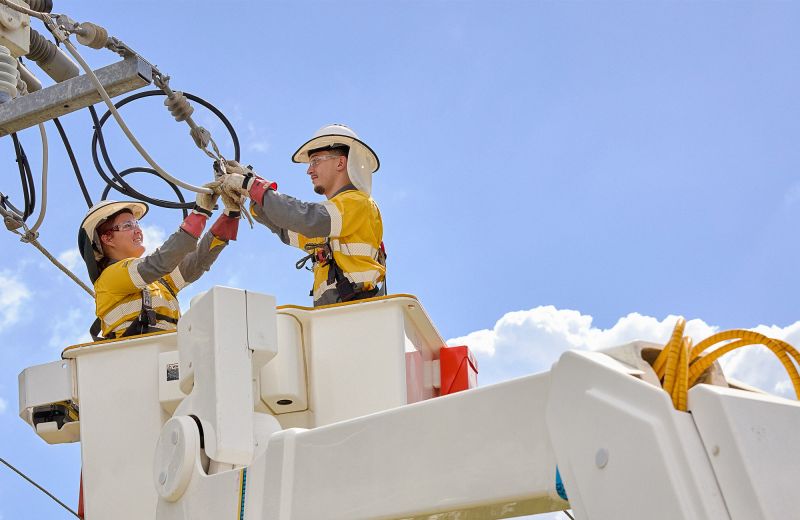
Electronic devices provide information that helps us keep people safe, keep their lights on, keep voltages in check to safeguard electrical appliances and maintain the security of the network.
The more we know about what’s happening on the network in real-time, the better equipped we are to deliver safe, secure, affordable and sustainable energy solutions for our customers and communities.
Data is the key to unlocking our potential to enable more renewables and a surge in electric vehicles in the countdown to 2030.
With each new wave of technology, from air-conditioners to solar, we’ve adapted to more extreme changes in the electricity demand curve and enabled a smooth transition for our customers.
Ensuring supply is continually in balance with demand is essential for the stability of the network.
It’s a constant challenge complicated by peaks and troughs, which vary according to the time of day and the weather.
In Queensland, peak demand is typically on a hot summer night when aircons are pumping and solar systems lie dormant.
For years now we’ve had the ability to send signals to household appliances on economy tariffs to power down or switch off when demand peaks, to smooth the load and prevent outages.
By choosing cheaper load control tariffs for their hot water systems, pool pumps and air conditioners, more than 1 million customers are saving energy and money.
Together, we’ve created one of Australia’s most successful network demand management programs.
At the other extreme is the more recent challenge of daytime minimum system demand, typically occurring in the middle of the day when the sun is shining and customers may not be at home to soak up the solar they’re generating.
Necessity is the mother of invention. We’ve developed the tools to show us what’s happening on the low-voltage network in real-time and send the right signals to solar PV installations about the optimum safe amount of solar export possible at any time.
This has paved the way for dynamic customer connections that enable more renewables and electric vehicles and help strengthen network security.
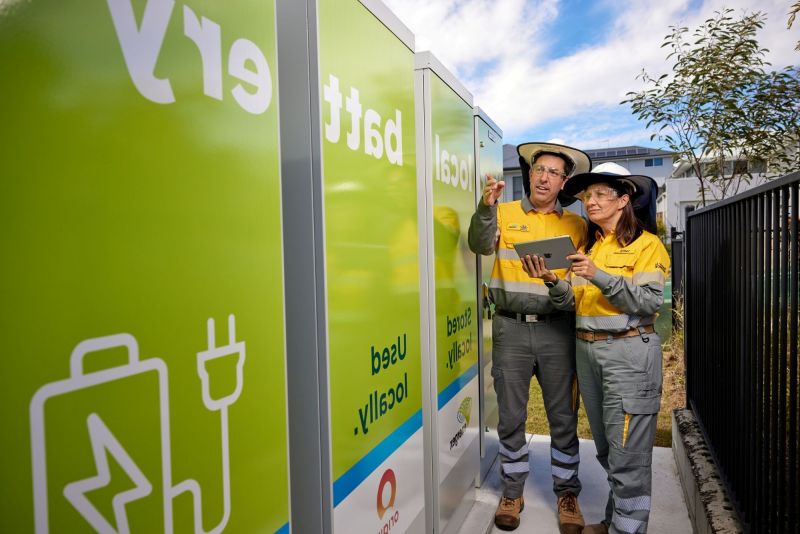
Our community-scale, grid-connected batteries are another game changer, which will give us the ability to locally store large amounts of renewable energy as it’s being generated during the day and discharge it when demand is high in the evening.
From a one-way street to a superhighway where customers can consume, produce and potentially trade energy, the electricity grid is constantly evolving.
Our roadmap is designed to ensure Queenslanders remain at the forefront of innovation that delivers safe, secure, affordable and sustainable energy solutions now and into the future.